A Simple Step-by-Step Guide to the Job
If you are wondering what happens during asphalt driveway repair, the process is usually simple. First, the damaged spots are checked. Then the surface is cleaned, cracks or holes are treated, new asphalt is added if needed, and the area is smoothed and compacted. After that, the driveway needs time to cure before regular use. In Casselberry, FL, weather and driveway age can affect how long each step takes, but the basic process stays about the same.
What You Need Before Starting
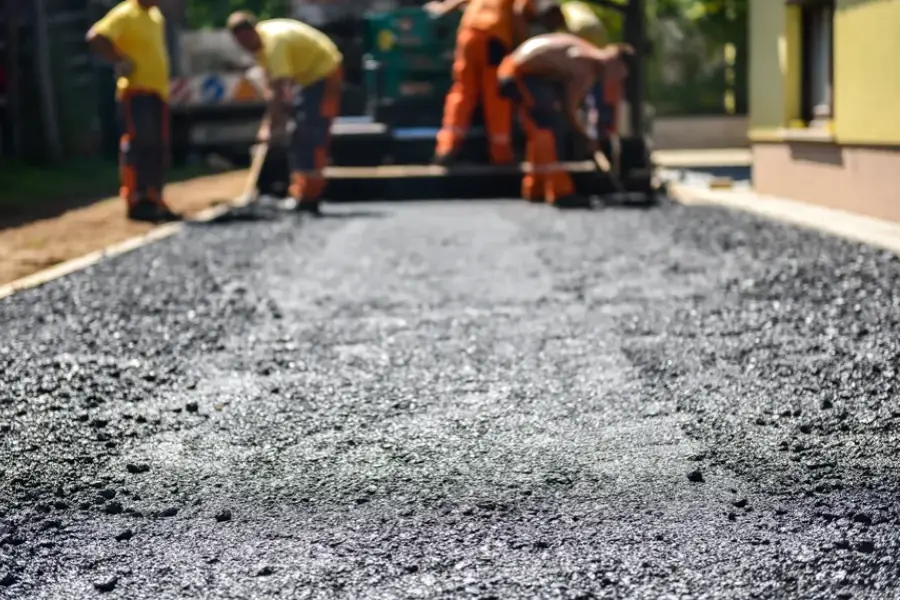
Before any asphalt driveway repair begins, it helps to know what kind of damage is present. Small cracks, shallow dips, and surface wear can often be handled with basic repairs. Large sunken areas, deep holes, and wide crack patterns may point to base failure under the driveway. The repair plan depends on the size of the problem.
It also helps to clear the driveway before work starts. Cars, trash cans, and loose items should be moved. If the area has dirt, leaves, or oil stains, cleaning is often part of the prep work. This gives the repair material a better surface to bond to. If this work falls under a service category like driveway and pavement care, the prep stage is still one of the most important parts.
Step-by-Step Process
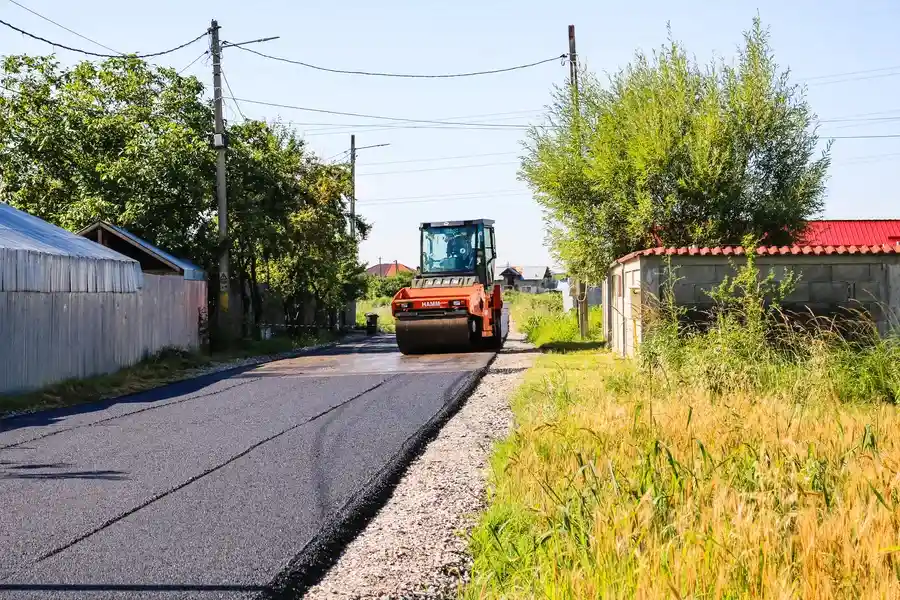
Most asphalt driveway repair jobs follow a clear order. Each step helps the next one work better and last longer.
- The surface is inspected for cracks, holes, edge damage, and weak spots.
- Loose debris, weeds, dirt, and old broken material are removed.
- Cracks are cleaned out so filler can go in properly.
- Potholes or failed sections are cut, filled, and patched with fresh asphalt.
- The repaired area is leveled to match the rest of the driveway.
- A compactor or roller presses the patch down tightly.
- The surface is checked again for smoothness and drainage.
- The repair is left to cure before heavy traffic returns.
Not every driveway needs every step. A thin crack repair is much faster than a deep patch. If the surface has many damaged spots, more than one repair method may be used during the same visit.
Common Mistakes to Avoid
One common mistake is repairing damage too late. A small crack may not seem like a big deal at first. But water can get into that opening, weaken the base, and turn a simple fix into a larger patch. Waiting often leads to more damage.
Another mistake is skipping surface prep. If dust, weeds, or loose asphalt stay in the damaged area, the new material may not hold well. Bad timing is another issue. Rain, very cold weather, or heavy traffic too soon after the repair can shorten the life of the work.
Some people also try to patch over soft or broken base material without removing it first. That can make the repair fail fast. A patch needs support underneath it. If the base is weak, the top layer alone will not solve the problem.
When to Call a Professional
Some driveway problems are easy to spot but hard to fix the right way. If you see alligator cracking, repeated potholes, deep sinking, or water pooling in the same place, it is smart to call a professional. These signs often point to issues below the surface.
A professional can also help when the repair area is large or near the garage, sidewalk, or street. Those spots need careful grading so water runs away as it should. If the slope is off, the repair may look fine at first but create drainage trouble later.
Calling for help is also a good idea when the driveway has several types of damage at once. A mix of cracks, crumbling edges, and depressions usually needs a full plan, not just a quick patch.
What Happens After the Repair
After asphalt driveway repair is done, the area needs time to set and cure. The exact wait time depends on the repair type, weather, and material used. In many cases, light foot traffic is fine sooner than vehicle traffic. Hot days can make fresh asphalt stay softer longer, while cool dry weather may help it firm up better.
You may also notice a slight color difference between older pavement and the repaired spot. That is normal. New asphalt is often darker at first. Over time, the color blends more as the surface ages and gets sun exposure.
It is smart to watch the repaired area over the next few weeks. If water pools there or the patch settles, the area may need another look. Catching small issues early can help the repair last longer.
Final Recommendation
If you want a smoother repair process, it helps to act early, clean the area well, and match the repair method to the damage. Small cracks and minor holes are very different from deep base failure. Knowing what to expect during asphalt driveway repair can help you ask better questions and make better choices for your property.
Get Help With Your Next Step
For property owners in Casselberry, FL, we are happy to explain the repair process and what your driveway may need. Contact U.S. Asphalt & Construction to talk through the damage, ask questions, or set up a visit. You can also call us at (352) 235-5521 if you want clear help from our team.