A Clear Step-by-Step View of the Process
If you are planning an asphalt resurfacing project, you can expect a site review, surface prep, minor repairs, a new top layer of asphalt, and time for curing before normal use. The job is usually faster than a full replacement, but the exact steps depend on the age and condition of the pavement. In many cases, resurfacing helps improve safety, appearance, and daily function without removing the full base.
What You Need Before Starting
Before asphalt resurfacing begins, the surface needs a good check. This helps show if the pavement can handle a new layer or if deeper damage is hiding below. A resurfacing job works best when the base is still stable. If the base has failed, a simple overlay will not last long.
It also helps to plan for access, traffic flow, and weather. Cars, delivery trucks, and foot traffic may need a new path for a short time. Dry weather is also best because rain can slow the work and affect the final result.
The service category keyword may be broad, but this project still falls under pavement and exterior surface care for homes, businesses, and shared properties.
Step-by-Step Process
Most asphalt resurfacing jobs follow the same general path. Some steps may change based on the site, but the process below is common.
- Inspection of the pavement. The crew checks cracks, low spots, drainage, and edge wear.
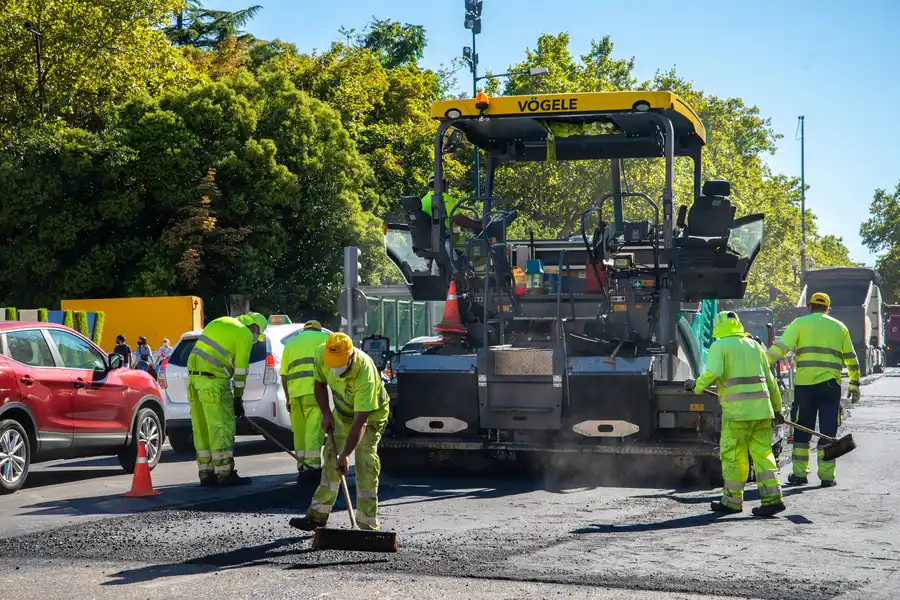
- Cleaning the surface. Dirt, loose gravel, oil spots, and debris are removed.
- Repair of problem areas. Small cracks, potholes, and weak spots are fixed first.
- Milling or leveling, if needed. A thin top layer may be removed to create a smoother fit.
- Edge and surface prep. A tack coat is often added to help the new asphalt bond.
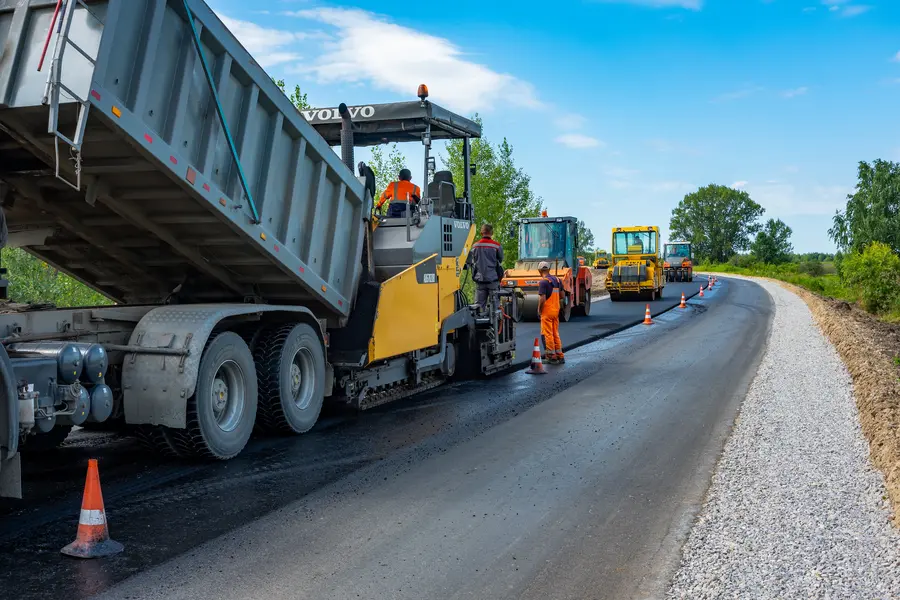
- New asphalt is laid. The fresh layer is placed and spread across the surface.
- Compaction. Rollers compress the new layer for strength and a smoother finish.
- Curing time. The surface needs time before cars, trucks, or equipment use it fully.
During the job, you may notice loud equipment, a warm asphalt smell, and blocked areas. That is normal. For a driveway, the work may move quickly. For a parking lot or private road, it may take longer due to size, striping, or traffic control.
Common Mistakes to Avoid
One common mistake is assuming every worn surface is a good fit for asphalt resurfacing. If there are large sink areas, deep alligator cracking, or water trapped under the pavement, resurfacing alone may not solve the problem. In that case, the new layer can fail early.
Another mistake is skipping prep work. A new layer placed over dirt, oil, or broken asphalt may not bond well. Poor drainage is another issue. If water keeps sitting on the surface, the pavement can break down faster.
People also make the mistake of using the area too soon. Fresh asphalt needs time to set. Heavy vehicles, sharp turns, and parked trailers can leave marks if the surface is still soft.
- Do not ignore drainage problems.
- Do not cover deep structural damage with a thin overlay.
- Do not skip crack and pothole repairs.
- Do not rush traffic back onto the surface.
When to Call a Professional
You should call a professional when you are not sure if resurfacing is the right fix. A surface can look worn on top but still have deeper trouble below. A trained crew can spot signs that the base has shifted, the grade has changed, or water damage has spread under the asphalt.
Professional help also matters when the area has drainage issues, heavy traffic, ADA access needs, or safety concerns. Commercial spaces, apartment lots, schools, and long private drives often need better planning than a simple patch job. A proper review can help prevent wasted time and short-lived results.
If markings are needed after the work, such as parking stalls or directional arrows, that should also be part of the plan. Good timing matters. Striping too early or too late can affect how the finished area is used.
Final Recommendation
Asphalt resurfacing is a practical option when the top layer is worn but the base is still in good shape. It can refresh the surface, improve curb appeal, and help extend pavement life. The best results come from good prep, the right weather, and a clear plan for repairs and curing time. If you want a surface that looks better and performs well, it helps to get the pavement checked before work starts.
Get Help With Your Next Project
If you are planning pavement work in Casselberry, FL, we can help you understand what your surface needs and what the job may involve. At U.S. Asphalt & Construction, we provide clear guidance, careful site review, and honest answers about asphalt resurfacing. Call us at (352) 235-5521 to talk with our team and set up the next step.