A Smoother Pavement Layer Can Make Roads Safer, Steadier, and Easier to Use
Asphalt resurfacing improves driving surfaces by adding a new layer over worn pavement. This helps smooth rough spots, cover small cracks, improve tire grip, and create a more even ride. In places like Casselberry, FL, this can also help pavement handle daily traffic and changing weather better. When the base under the pavement is still in fair shape, resurfacing is often a smart way to restore the surface without starting from scratch.
What You Need to Know Before the Work Starts
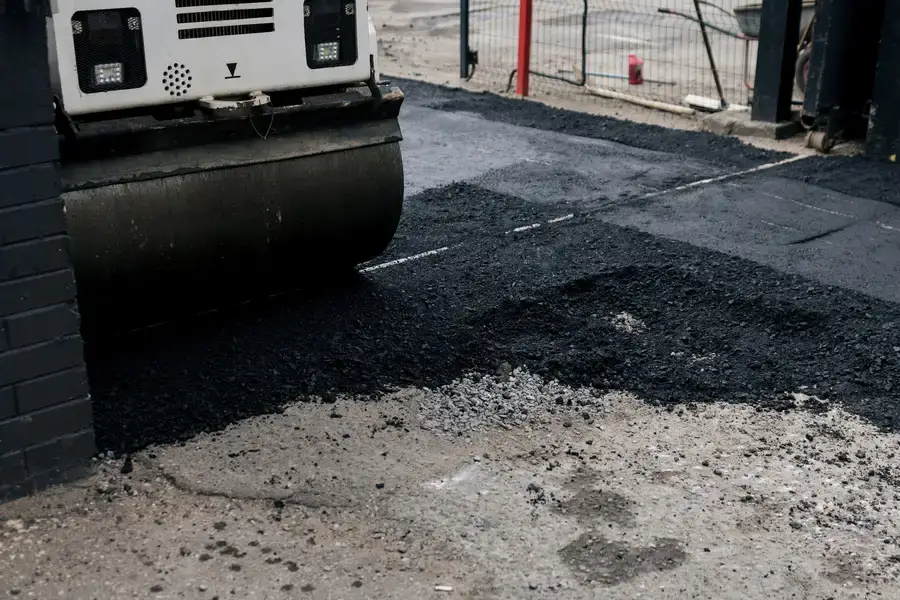
Before any asphalt resurfacing job begins, the pavement needs a close check. Resurfacing works best when the top layer is worn, but the lower structure is still sound. If the surface has deep holes, severe sinking, or major base damage, a simple overlay may not last long. That is why a good inspection comes first.
The service category keyword here is part of the full paving process, even though this article focuses on the surface layer itself. A solid plan helps avoid wasted time and helps the new pavement bond well to the old one.
How the Process Improves the Road Step by Step
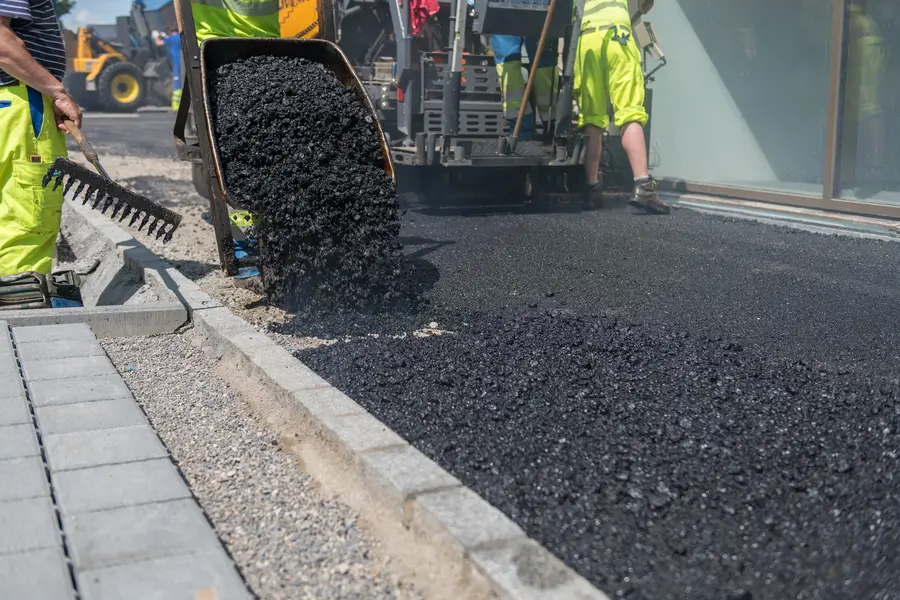
The main value of asphalt resurfacing comes from careful prep and clean installation. Each step helps the finished surface drive better and last longer.
- The old surface is inspected for cracks, dips, and weak spots.
- Damaged areas are patched so soft sections do not stay under the new layer.
- The pavement is cleaned to remove dirt, loose rock, and debris.
- Edges, drains, and surface height are checked to help water move off the pavement.
- A bonding coat may be added to help the new asphalt stick to the old surface.
- A fresh asphalt layer is placed across the area.
- The new layer is compacted to create a smooth, tight driving surface.
Once these steps are done well, drivers often notice less bumping, fewer puddles, and better control. Cars, bikes, and delivery trucks all benefit from a flatter, more even path.
Common Mistakes to Avoid
Not every rough road should be resurfaced right away. One common mistake is covering serious structural damage with a new top layer. That may look better at first, but the old damage can return fast. Another mistake is poor cleaning before new material is laid down. Dust and loose pieces can stop the new layer from bonding well.
Bad drainage is another issue. If water sits on the surface, it can wear down the pavement sooner. Resurfacing should improve the slope and flow of water, not trap it. Skipping crack repairs before the overlay is also a problem. Small flaws under the new layer can grow and push back up over time.
How Smoother Pavement Helps Daily Driving
A better driving surface does more than look nice. It changes how the pavement feels and performs each day. Smooth pavement can reduce vibration in vehicles, which makes driving more comfortable. It can also help reduce wear on tires and suspension parts.
For property owners, resurfaced pavement often makes traffic move more cleanly through drive lanes and parking areas. Striping can also become clearer after the new surface is in place. That helps drivers see lane edges, parking spots, and traffic flow more easily.
There is also a safety benefit. When a road or lot has fewer dips and loose sections, drivers may have better traction and more control. That matters during rain and during heavy use hours.
When to Call a Professional
Some surface issues are easy to spot, but it can be hard to tell if the damage is only on top or goes deeper. A professional should check the pavement if you see wide cracks, alligator cracking, soft areas, or spots where water stays for a long time. Those signs may point to a deeper problem.
You should also call for help if traffic is heavy, if large trucks use the space, or if the pavement must match nearby grades, curbs, or drains. In these cases, asphalt resurfacing needs proper planning and equipment. A skilled crew can measure the surface, fix weak areas, and install the right thickness for the site.
Simple Signs the Surface May Be Ready for Resurfacing
If you are not sure whether resurfacing is the right next step, these signs can help:
- The pavement looks worn but is not falling apart at the base.
- Small to medium cracks are spreading across the top layer.
- The ride feels rough, but the area is still mostly level.
- Water drains poorly because of shallow low spots.
- The surface looks old and faded from sun and traffic.
- Patches are starting to make the area uneven.
When several of these signs show up together, resurfacing may restore the area before bigger repairs are needed.
Final Recommendation
If you want better pavement performance, asphalt resurfacing can be a practical way to improve ride quality, appearance, drainage, and surface grip. It works best when the pavement below is still stable and when the prep work is done right. In Casselberry, FL, we can help review the condition of your pavement and explain the next steps. At U.S. Asphalt & Construction, we focus on clear answers and solid workmanship. Call us at (352) 235-5521 if you’d like us to take a look and help you decide what fits your surface best.