How Each Method Works and Which One Makes More Sense
Cold and hot asphalt crack filling both seal pavement cracks, but they work in different ways. Cold material is easier to use and is often used for small, quick repairs. Hot material is heated before use and usually lasts longer in busy areas or wider cracks. If you are trying to choose the better option in Casselberry, FL, the right pick often depends on crack size, weather, traffic, and how long you want the repair to hold.
Quick Decision Answer
If you want a simple answer, cold crack filler is often best for small jobs, short-term repairs, or spots with light traffic. Hot crack filler is usually better for long-term results, larger cracks, and parking lots or drive lanes that take more wear. Both are used in asphalt crack filling, but they are not equal in strength, flexibility, or life span. This service falls under a broader service category that helps protect paved surfaces before bigger damage starts.
Cold Vs Hot Crack Filling Criteria
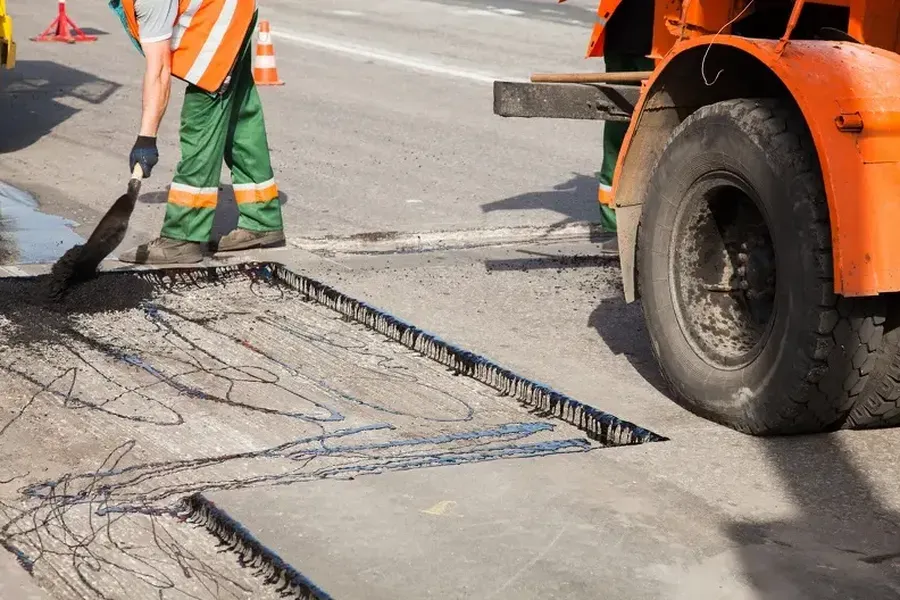
The biggest difference is how the material is prepared and how it bonds with the pavement. Cold filler comes ready to use from the container or bag. It is handy for quick patch work. Hot filler must be melted in special equipment before it is poured into the crack. That extra step often gives a tighter seal and better movement as pavement expands and shrinks.
Here are some simple ways to compare them:
- Cold filler is easier for small spot repairs.
- Hot filler is better for larger or active cracks.
- Cold products usually cost less up front.
- Hot rubberized material often lasts longer.
- Cold filler is more affected by heavy traffic.
- Hot filler usually handles weather changes better.
Another thing to watch is surface condition. If the crack has dirt, weeds, or loose edges, neither method will work well without prep. Clean cracks matter a lot in asphalt crack filling. A poor seal can let in water, and water is what often causes the next round of damage.
Pros and Cons of Each Option
Cold filler has some clear benefits. It is simple. It is fast. It can be a good fit when you need a short-term fix or when the crack is small and not spreading much. It also works well when a property owner wants to handle a minor repair without special tools. The downside is that it may not stay in place as well when traffic is heavy or when temperatures swing a lot.
Hot filler also has strong points. It tends to form a better bond inside the crack. Many hot-applied sealants stay flexible, which helps when pavement moves through the seasons. That is a big plus for drive lanes, commercial lots, and older pavement with active cracking. The main downside is that it needs heated equipment and trained handling. It is not as simple as opening a bucket and pouring.
Both methods can help delay larger pavement work. Still, the better choice depends on the goal. If the goal is speed and a basic repair, cold products may do the job. If the goal is longer service life, hot application is often the stronger pick.
Best Fit by Scenario
Different cracks need different solutions. A thin crack in a low-traffic area is not the same as a moving crack in a busy parking lot. Picking the wrong method can waste time and money.
- Use cold filler for small cracks in light-use areas.
- Use cold filler when you need a quick temporary repair.
- Use hot filler for long cracks that reopen each season.
- Use hot filler for lots with regular car or truck traffic.
- Use hot filler when you want a longer-lasting seal.
A simple example is a home driveway with two short hairline cracks. Cold material may work fine there. Now think about a shopping center lot with long cracks near turning cars. That area usually needs hot-applied sealant because the pavement moves more and takes more stress.
Mistakes People Make When Choosing
One common mistake is choosing only by convenience. Easy is not always better. Some people use cold filler on wide or active cracks and expect it to last like hot rubberized sealant. That often leads to early failure. Another mistake is skipping surface prep. Even the best product will struggle if the crack is wet, dusty, or packed with debris.
People also make the mistake of waiting too long. A small crack may seem harmless, but water can work its way below the surface. Once that happens, the pavement base can weaken. Then the issue is no longer just about sealing a crack. It may turn into potholes, breakup, or larger repair work.
Weather matters too. Some products do not perform well if applied in poor conditions. If the pavement is damp or the air is too cold, the filler may not bond well. Matching the material to the site conditions is a big part of getting value from asphalt crack filling.
Final Decision Checklist
Before choosing cold or hot crack filling, ask these questions:
- How wide and deep are the cracks?
- Do the cracks reopen often?
- Is the area used by many vehicles?
- Do you want a short-term or longer-term fix?
- Is the pavement clean and dry for application?
- Are you trying to stop water before worse damage forms?
If most of your answers point to small cracks, light traffic, and a quick fix, cold filler may be enough. If the cracks are active, the area is busy, or you want better durability, hot filler is often the smarter option. The goal is not just filling space. The goal is keeping water out and helping the pavement last longer.
Get Help With the Right Repair Plan
For property owners in Casselberry, FL, we can help review the pavement and suggest the right repair method. U.S. Asphalt & Construction handles asphalt crack filling with care and attention to site conditions. If you want help sorting out cold versus hot options, call us at (352) 235-5521 and we will help you plan the next step.