Simple Ways to Get a Longer-Lasting Repair
The most common mistakes during asphalt crack filling are cleaning the crack poorly, using the wrong filler, applying material at the wrong time, and skipping prep work. These errors can make a repair fail fast. If you want a longer-lasting result in Casselberry, FL, it helps to spot small problems early and follow a simple routine instead of rushing the job.
Why Prevention Matters
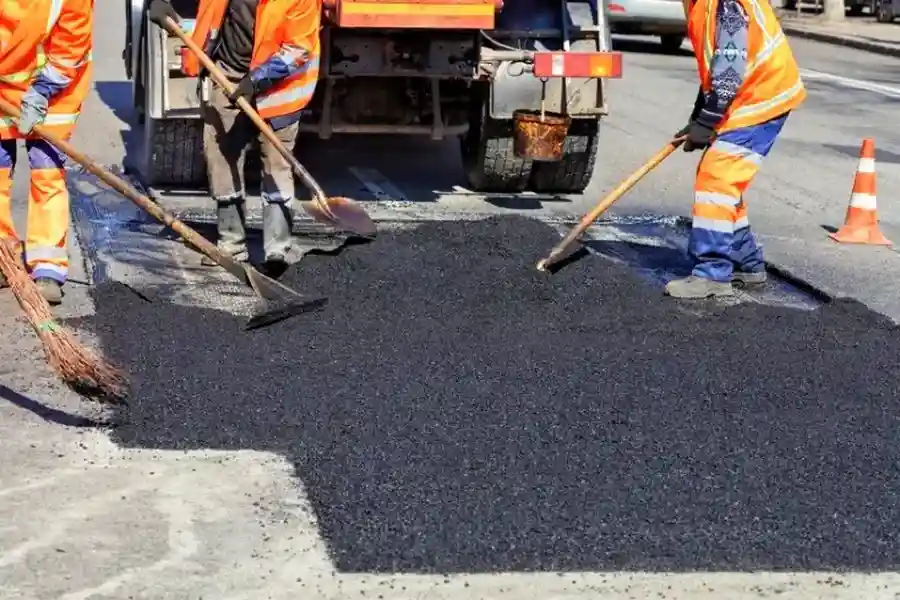
Small cracks do not stay small for long. Water gets into the pavement and weakens the base below. Then heat, cold, traffic, and rain make the damage worse. asphalt crack filling helps stop that cycle. It is a basic part of pavement care and can help delay bigger repairs. This also supports better service category planning for lot and driveway upkeep, since one ignored crack can spread into a wider problem.
Good prevention saves time and cuts down on repeat work. A filled crack can block out water and help the surface stay stable. But that only happens when the repair is done the right way. A quick patch over a dirty or wet crack often fails much sooner than expected.
Early Warning Signs
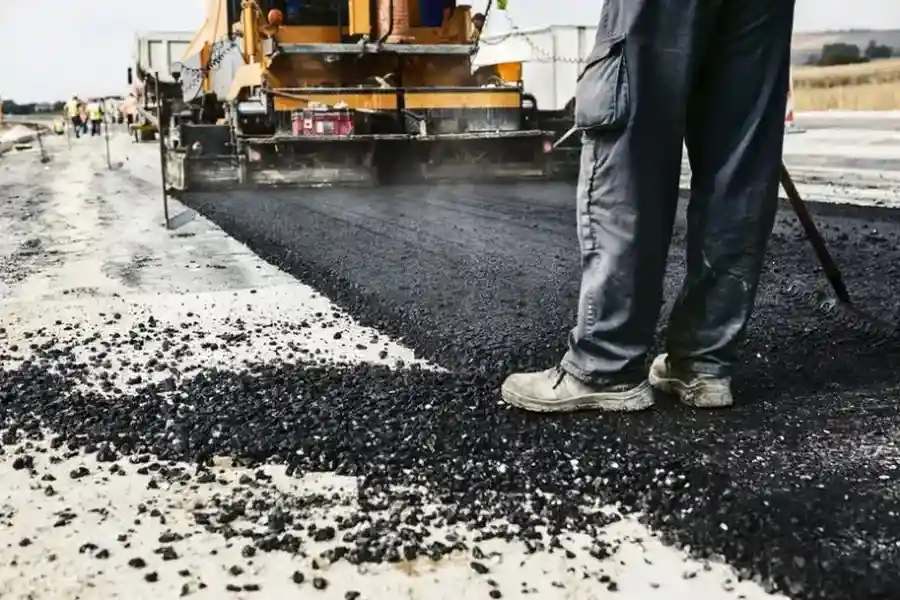
It helps to act before cracks turn into potholes or broken edges. Many property owners wait too long because the damage looks minor. By then, the crack may already be deeper than it seems.
- thin lines that keep getting longer
- cracks with grass or dirt inside
- areas that stay wet after rain
- loose asphalt near the crack edges
- alligator-style cracking in small sections
If you see these signs, asphalt crack filling may help if the pavement is still in fair shape. If the area is sinking, crumbling, or breaking apart in many places, a simple fill may not be enough.
Seasonal or Routine Checklist
A simple routine can help catch trouble early. Spring and fall are often good times to inspect paved areas. After winter, look for fresh splitting caused by freeze and thaw cycles. After hot summer weather, check for cracks that widened under heat and traffic.
- walk the full area and mark visible cracks
- check if the crack is dry and free of weeds
- measure width and depth if possible
- look for soft spots around the crack
- clean the crack before any repair starts
- use the right product for the crack size
- let the filler cure before traffic returns
This kind of check does not take long, but it can help stop larger damage. It also helps you decide if a do-it-yourself repair makes sense or if the pavement needs expert care.
Best Practices for Long-Term Results
The best asphalt crack filling jobs start with clean, dry cracks. Dust, mud, and plant growth stop the filler from bonding well. A strong repair also depends on using the right material. Some fillers work better for narrow cracks, while others are made for wider gaps or heavier traffic areas.
Weather also matters. Very cold days can make the material harder to apply well. Rainy conditions can trap moisture under the filler. Very hot surfaces can also affect how the product settles. Picking a mild, dry day gives the repair a better chance to last.
Another smart step is not overfilling. Too much material can sit high above the surface and wear off fast under tires. Too little leaves gaps where water can still enter. The goal is a clean, even fill that seals the crack without making a bump.
What Not to Do
Many repairs fail because of a few common mistakes. These problems are easy to miss, especially when someone wants a fast fix.
- filling cracks without cleaning them first
- applying filler to wet pavement
- using a random patch product instead of crack filler
- working in poor weather
- ignoring deep or moving cracks
- putting filler over loose, broken asphalt
- opening the area to traffic too soon
One common mistake is treating every crack the same way. A hairline surface crack is not the same as a wide joint or a broken section near the edge. Another mistake is thinking a fill will fix structural failure. If the base under the asphalt is weak, the crack may come back even after a neat-looking repair.
People also skip follow-up checks. Even a good repair should be looked at from time to time. If a filled area starts to pull away or sink, catching it early can stop more damage.
When to Schedule Professional Help
Some crack repairs are simple. Others need better tools, stronger materials, and a trained eye. If the cracks are wide, deep, spreading fast, or showing up across a large area, it may be time to get help. The same is true if the pavement has drainage issues, soft spots, or signs of base failure.
Professional service can also help when the paved area gets daily traffic from cars, delivery vans, or customers. In those cases, the repair needs to hold up under more stress. A trained crew can tell if asphalt crack filling is the right move or if another repair would work better.
If you are unsure, it helps to get the surface checked before spending money on the wrong fix. A small repair done at the right time can help avoid larger patching or replacement later.
Get Help With the Next Step
If you have cracks starting to spread in Casselberry, FL, we can help you figure out the next step. U.S. Asphalt & Construction handles pavement issues with care and clear advice. Call us at (352) 235-5521 to talk about asphalt crack filling and set up a visit that fits your schedule.